 EN
EN
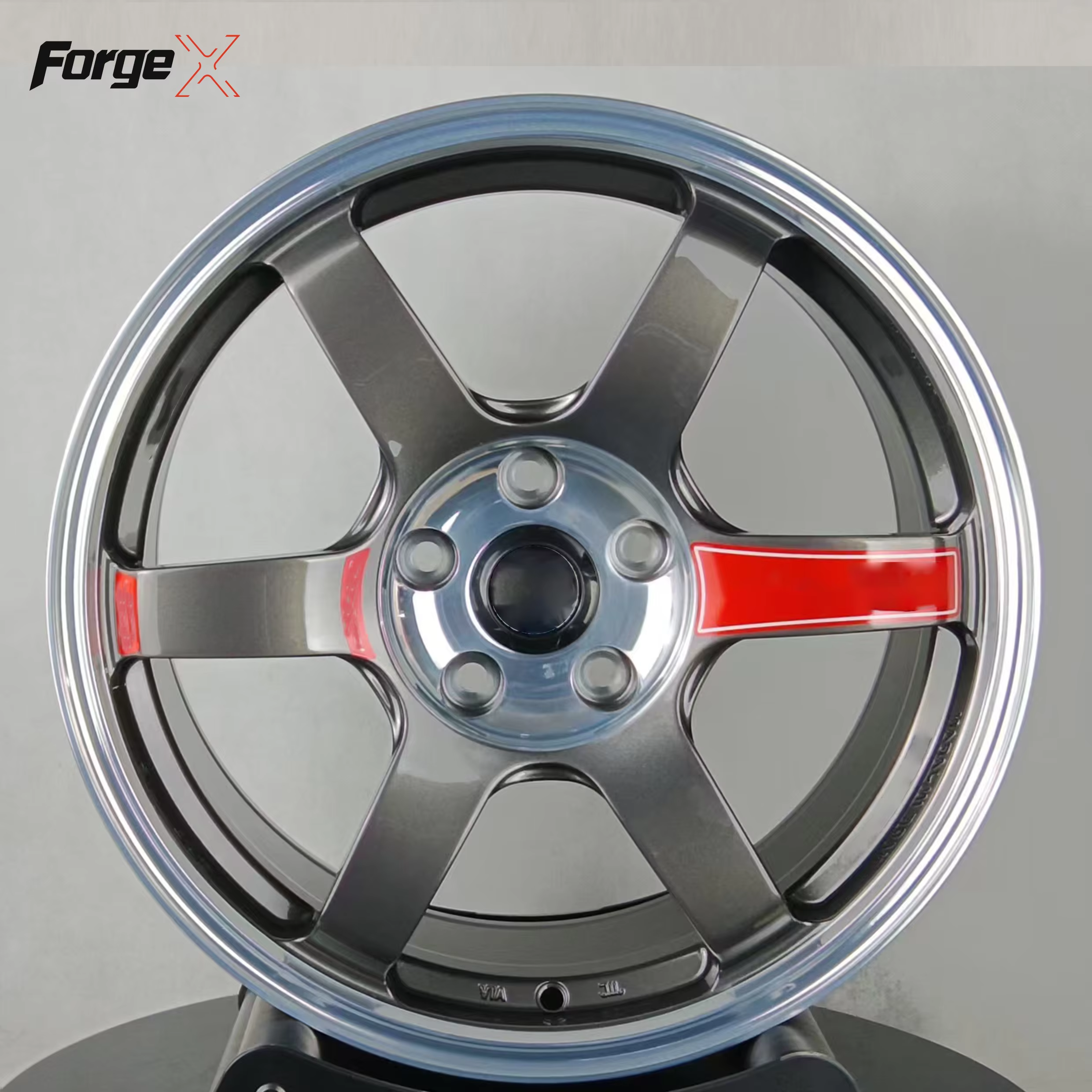
The Structural Architecture of Forged Chrome Wheels
When custom wheel enthusiasts and commercial fleet buyers look to upgrade vehicle aesthetics and performance they often face a critical choice between visual brilliance and structural reliability. Standard cast wheels have dominated the entry level market for decades but they inherently carry micro porosity and structural voids due to the liquid pouring process. Forged chrome wheels solve this fundamental engineering challenge through intense physical manipulation. During the forging process a solid billet of aerospace grade sixty sixty one T6 aluminum is subjected to immense pressure exceeding ten thousand tons. This extreme mechanical force completely realigns the molecular grain structure of the aluminum eliminating internal air pockets and creating a continuous highly dense crystal lattice. When this dense forged substrate is subsequently finished with a multi layer chrome plating sequence the result is an incredibly strong foundation that prevents the flexing and stress cracking common in cast alternatives. Professional wheel engineers often point out that a forged wheel can achieve up to three times the structural strength of a cast wheel while reducing weight by twenty to thirty percent. This combination of structural density and flawless finish ensures that the wheel can withstand high impact forces from potholes and track debris without deforming or failing under heavy load conditions.
Metallurgical Excellence and Advanced Multi Layer Electroplating
Achieving a mirror like chrome finish on a forged wheel requires much more than a simple cosmetic spray. True chrome finishing relies on an advanced multi stage electroplating process that chemically bonds multiple metallic layers to the precision machined forged aluminum substrate. The journey begins with automated computer numerical control machining where the forged billet is carved into its final design with microscopic tolerances. After rigorous surface polishing technicians apply a foundational layer of acid copper which seals the aluminum and creates a perfectly smooth leveling layer. Next a double layer of nickel is electroplated onto the copper substrate with semi bright nickel providing corrosion resistance and bright nickel delivering the reflective luster. Finally a micro porous chromium layer is applied to provide exceptional surface hardness and scratch resistance. This precise metallurgical stack is critical because standard wheels often suffer from chrome peeling or pitting when exposed to road salt and moisture. By utilizing premium chemical baths and maintaining strict temperature controls during electroplating the finished wheel gains a shield that resists oxidation and maintains its structural integrity even in harsh winter driving environments.
Engineering Performance Benefits Across Diverse Real World Conditions
The real world performance of forged chrome wheels extends far beyond their show stopping visual appeal. In heavy duty truck applications and high performance racing environments reducing unsprung mass is a primary objective for improving vehicle dynamics. Because forged aluminum possesses superior mechanical properties wheel designers can create thinner spokes and lighter barrels while maintaining an exceptionally high load rating. This reduction in unsprung weight directly translates to quicker acceleration crisper steering response and reduced braking distances because the suspension components do not have to work as hard to maintain tire contact with the road surface. Track testing and field data from long distance logistics operations reveal that vehicles equipped with lightweight forged wheels experience less suspension component wear over extended lifecycles. Furthermore aluminum is an excellent thermal conductor meaning that forged wheels dissipate brake heat significantly faster than steel or cast iron wheels. This rapid heat dissipation lowers operating temperatures around the brake calipers and rotors effectively minimizing brake fade during heavy towing or aggressive mountain driving and ensuring reliable stopping power when it matters most.
Compliance With Rigorous Global Testing and Quality Assurance Standards
To guarantee that custom wheels deliver both style and safety they must undergo rigorous independent verification that satisfies strict global automotive standards. Authoritative testing bodies such as the Society of Automotive Engineers under the SAE J2530 protocol set strict benchmarks for wheel fatigue life radial impact resistance and cornering loads. Forged chrome wheels engineered to these specifications undergo destructive testing including radial fatigue tests that simulate hundreds of thousands of miles of highway driving and rotary cornering tests that apply extreme lateral forces to the wheel hub. Additionally international certifications like the Japan Light Wheel Alloy association and the Vehicle Inspection Association require specialized impact tests where a heavy steel pendulum strikes the wheel at precise angles to ensure it will not crack or collapse during a sudden pothole impact. Adhering to these international quality control protocols and maintaining ISO 9001 certified manufacturing environments ensures that every single custom wheel produced meets the safety mandates required by premium automotive brands and international distributors alike.
Maximizing Longevity Through Proper Maintenance and Care Protocols
While the advanced multi layer electroplating process provides an incredibly durable shield proper maintenance is essential to preserving the deep mirror finish of forged chrome wheels over a long lifespan. Environmental contaminants such as highly corrosive brake dust road salt and industrial fallout can accumulate on the wheel surface and initiate chemical reactions if left unattended. Professional detailers and fleet managers recommend cleaning chrome wheels regularly using non acidic mild soap and clean microfiber mitts to avoid scratching the chromium layer. It is vital to avoid harsh acid based wheel cleaners and abrasive scrub brushes which can create microscopic scratches that compromise the nickel plating underneath. After a thorough washing applying a specialized synthetic sealant or high quality ceramic coating adds an extra hydrophobic barrier that repels water spots and prevents brake dust from baking onto the surface. This proactive maintenance protocol not only preserves the brilliant reflective aesthetics of the wheel but also protects the underlying forged aluminum from galvanic corrosion ensuring the wheel retains its structural value and stunning appearance for years to come.
Strategic Supply Chain and Precision Manufacturing Partnerships
For international commercial buyers wholesale distributors and elite custom tuning shops selecting a wheel partner requires assessing engineering precision manufacturing scale and global supply chain reliability. Forgex Auto has established itself as an industry leader by operating advanced manufacturing facilities equipped with multi thousand ton forging presses and high precision multi axis computer numerical control machinery. This massive production infrastructure allows Forgex Auto to deliver custom engineering solutions tailored to specific vehicle fitments load ratings and design preferences for clients across North America Europe and the Middle East. By managing the entire production process from initial solid state metallurgical forging to the final multi layer chrome electroplating sequence Forgex Auto maintains total quality control and short production lead times. Their robust supply chain network ensures consistent raw material sourcing and streamlined global logistics providing commercial clients with a reliable flow of premium high performance wheels that perfectly balance structural durability and elite style.
Table of Contents
- The Structural Architecture of Forged Chrome Wheels
- Metallurgical Excellence and Advanced Multi Layer Electroplating
- Engineering Performance Benefits Across Diverse Real World Conditions
- Compliance With Rigorous Global Testing and Quality Assurance Standards
- Maximizing Longevity Through Proper Maintenance and Care Protocols
- Strategic Supply Chain and Precision Manufacturing Partnerships