 EN
EN
The Physics of Performance: Why Every Ounce Counts
For those who live for the track, the pursuit of speed is a constant battle against physics. While many performance enthusiasts prioritize engine tuning or exhaust upgrades to shave off lap times, seasoned track veterans understand that the most effective transformation happens at the contact patch. The secret lies in reducing unsprung weight—the mass of the components not supported by the suspension system, such as wheels, tires, and brake assemblies. When shifting from standard factory wheels to high-performance, lightweight racing wheels, the entire vehicle dynamic undergoes a profound change. Moving away from heavy, cumbersome rotational mass allows the chassis to react with newfound urgency. It is about more than just shedding a few kilograms; it is about liberating the suspension to do its job, ensuring that the tires remain glued to the asphalt regardless of how aggressive the driving gets.
Rotational Inertia and Its Impact on Acceleration
The technical advantage of lightweight wheels centers heavily on the concept of rotational inertia. Because the wheel is a rotating mass, the weight positioned at the outer edge of the rim exerts a far greater influence on performance than weight near the center. Reducing mass at the circumference requires significantly less energy to get the wheel spinning from a standstill, and conversely, requires less braking force to bring it to a halt. In a competitive environment, this translates to snappier acceleration coming out of corners and improved stopping distances when diving into heavy braking zones. By minimizing this inertia, the drivetrain spends less energy fighting the weight of the wheels, allowing that power to be directed straight to the pavement. Drivers will notice that the engine feels more responsive and the gear shifts feel punchier, creating a more cohesive connection between the throttle pedal and the tarmac.
Improving Suspension Compliance and Road Connection
Beyond mere speed, lightweight wheels fundamentally alter how a vehicle interacts with the racing surface. When a car hits a bump or a dip on the track, the suspension must react instantly to keep the tire in contact with the road. If the wheel assembly is excessively heavy, it creates an enormous amount of momentum that the shock absorber must struggle to control. This leads to a phenomenon where the tire skips over irregularities rather than absorbing them, resulting in a loss of grip and confidence. By significantly reducing the weight of the rotating assembly, the suspension components are allowed to react faster and more efficiently. The wheel stays planted, the tire maintains a consistent contact patch, and the vehicle tracks straight through undulating surfaces that would otherwise cause a heavier setup to struggle. This level of mechanical composure provides the predictability necessary to push closer to the absolute limits of mechanical grip.
Engineering the Ideal Balance of Strength and Weight
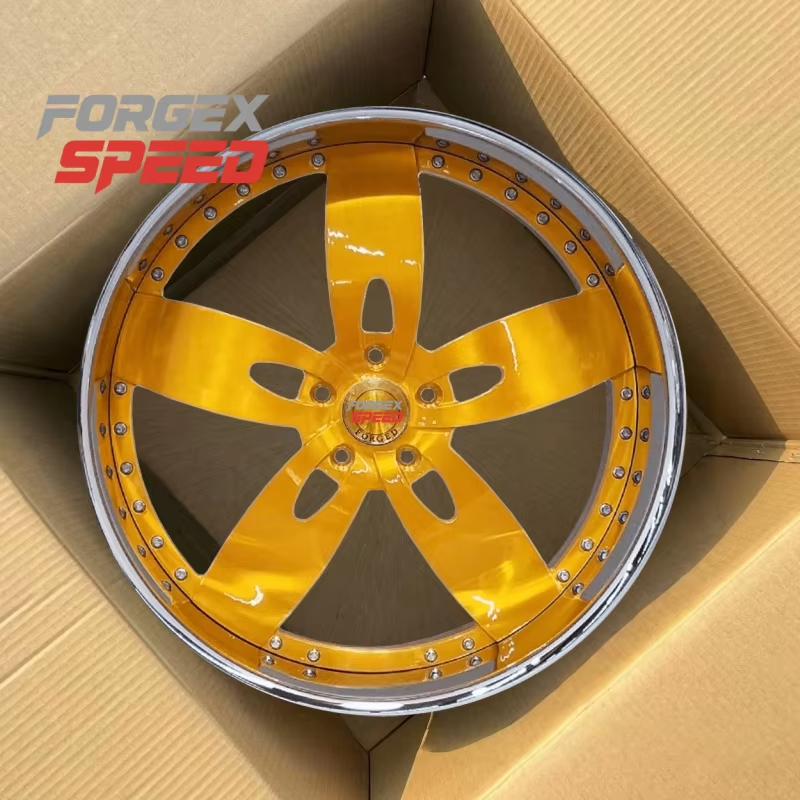
A frequent concern when discussing weight reduction is the potential trade-off in structural durability. There is often a fear that a lighter wheel will be prone to cracking or deformation under the intense mechanical stress of high-speed cornering and heavy braking. However, modern manufacturing processes have effectively debunked this myth. By utilizing advanced forging techniques, Forgex Speed creates a molecular grain structure that is significantly stronger than traditional casting methods. This engineering approach allows for a reduction in material thickness where stress levels are low, while heavily reinforcing the hub and spoke geometry where structural integrity is critical. Through rigorous Finite Element Analysis, Forgex Speed ensures that these wheels can withstand the brutal heat cycles and high-G maneuvers of professional track days. The result is a wheel that is both a featherweight in terms of mass and a powerhouse in terms of structural reliability.
The Strategic Value of Elite Manufacturing Partnerships
Performance is rarely the result of a single component; it is the culmination of a well-integrated system. Forgex Speed recognizes that serious drivers require more than just a product—they require a partner in performance. By providing high-specification forging services and maintaining a robust, streamlined supply chain, Forgex Speed ensures that every set of wheels meets the demanding standards of the global racing community. Whether a vehicle is being prepared for a local circuit club championship or a high-stakes endurance event, the manufacturing capability behind the hardware is what provides the consistency needed to win. Choosing components that are backed by deep manufacturing expertise and stringent quality control allows drivers to focus entirely on their lines and braking points, knowing that the hardware beneath them is built to excel under extreme pressure.
Investing in Long-Term Track Success
Ultimately, the choice to upgrade to lightweight racing wheels is one of the most impactful investments for any performance-focused build. The cumulative benefits—quicker acceleration, improved braking efficiency, sharper steering feedback, and enhanced suspension performance—compound to create a significantly faster and more enjoyable car. Rather than looking for marginal gains in engine output, which can often compromise reliability, focusing on reducing unsprung weight offers a sustainable path to better track performance. For those committed to the craft of driving and the pursuit of the perfect lap, the engineering precision offered by Forgex Speed provides the foundation for success. Engaging with professional manufacturing solutions ensures that the vehicle remains agile, responsive, and ready to dominate the track, regardless of the competition.