The Shift Toward Advanced Load-Bearing Solutions in Modern Fleet Transport
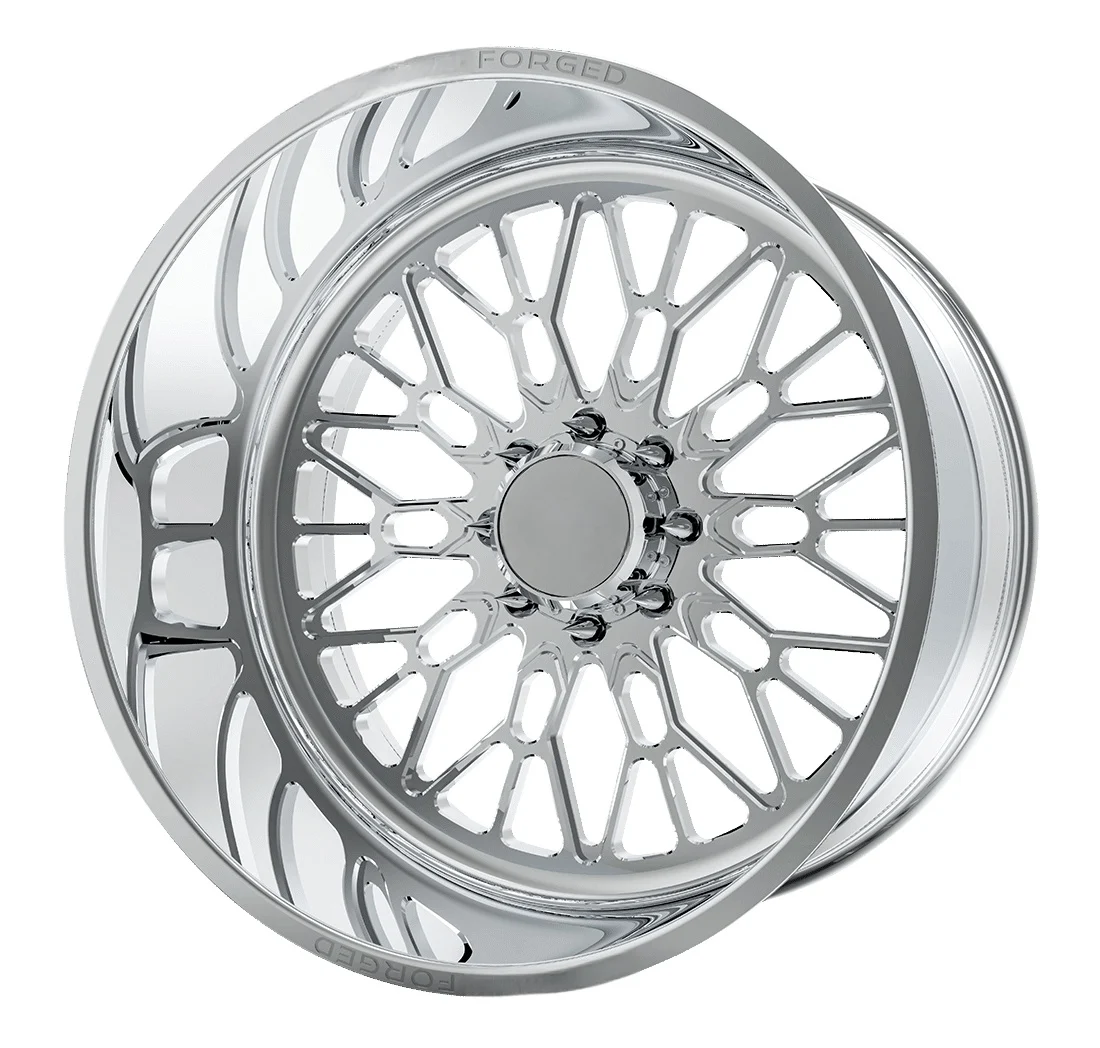
When heavy-duty trucks haul massive payloads, conquer brutal off-road trails, or pull heavy trailers across state lines, every single component takes a brutal beating from constant structural stress. Fleet managers, dedicated off-road enthusiasts, and heavy truck operators naturally spend plenty of time obsessing over engine torque, suspension upgrades, and raw towing capacity. Yet, one of the absolute most critical safety and performance links is constantly pushed to the side: the wheel. While regular cast wheels do a fine job for everyday commuter cars, serious heavy-duty work demands a whole different level of engineering to avoid sudden failures under extreme pressure. This is precisely why forged truck wheels have taken over as the ultimate industry standard, seamlessly blending incredible strength with long-term financial sense for any demanding job.
The True Metallurgy of Strength: 6061-T6 Aluminum and High-Pressure Forging
To really get why forged wheels completely dominate the heavy-duty sector, you have to look down at the microscopic level of how they are built. Traditional casting pours melted aluminum into a mold, which naturally leaves behind annoying tiny air pockets, internal weak spots, and uneven cooling zones. Forged wheels, however, start out as solid blocks of aerospace-grade aluminum, specifically high-purity 6061-T6 alloy. By using massive industrial forging presses that slam down with extreme hydraulic force, the metal's internal grain structure gets completely rearranged. This intense pressure squashes and stretches the metal grain flow to follow every single contour of the wheel, wiping out any hidden structural gaps. Metallurgy studies and stress engineering reports show that this directional grain alignment ramps up tensile and yield strength through the roof, letting forged truck wheels soak up gigantic vertical loads and harsh high-torque impacts without suddenly giving out.
Shedding Unsprung Weight to Maximize Rotational Efficiency and Payloads
In the heavy trucking world, basic physics reminds us that weight is the absolute enemy of fuel efficiency and sharp braking performance. Traditional steel wheels and heavy cast options just pile on dead, useless weight right where the vehicle hates it most—its unsprung mass. Every single pound you manage to shave off the unsprung weight creates a massive drop in rotational inertia, which instantly sharpens up acceleration, helps the suspension react quicker, and shortens stopping distances when fully loaded. On top of that, switching to lightweight forged truck wheels lets fleet owners and commercial operators grab back some valuable payload capacity. When you are hauling heavy cargo by the ton, replacing clumsy stock wheels with strong forged upgrades means trucks can carry extra freight on every single trip, directly boosting daily profits and stretching fuel mileage over long hauls.
Unmatched Durability Against Severe Stress, Fatigue, and Sudden Impacts
Let's be honest—heavy-duty operating environments are completely unforgiving. Whether a truck is slogging through messy construction sites, bouncing down unpaved logging paths, or smashing into nasty potholes on the interstate, it faces brutal cyclic fatigue and violent impacts day in and day out. Cast wheels tend to be stubborn and brittle; hit them hard enough, and they are prone to sudden cracks or outright shattering, which spells instant disaster with rapid air loss on the highway. Forged aluminum, on the other hand, brings amazing ductility, elasticity, and impact toughness to the table. Instead of snapping without warning, a top-tier forged wheel is designed to absorb harsh impacts and bend slightly under extreme loads while keeping its structural shape, giving drivers enough control to bring the rig safely to a stop. This kind of proven reliability makes forged setups a must-have for utility fleets and rugged off-road builds.
Making Sense of the Long-Term Financial Value and Total Cost of Ownership
Sure, nobody can deny that buying forged truck wheels requires a bigger upfront investment compared to mass-produced cast wheels. But when you sit down and look at a realistic Total Cost of Ownership analysis, the financial benefits for professional fleets become crystal clear. Standard cast wheels constantly run into issues like bending, fatigue fractures, and ugly cosmetic wear, leading to endless replacements, frustrating vehicle downtime, and heavy maintenance bills. High-end forged wheels come backed by thorough finite element testing and meet tough global safety benchmarks, offering incredible lifespan and dependable service. Fleet operators quickly notice that longer wheel life, less tire wear due to spot-on alignment, and way fewer roadside emergencies turn forged wheels into a smart business asset rather than just an expensive cosmetic trick.
Industrial Manufacturing Muscle and Global Supply Solutions
Pulling off the delicate balancing act between lightweight agility and rock-solid heavy-duty strength takes serious manufacturing horsepower, top-tier engineering talent, and strict quality checks. This is where industry players like Forgex Speed step in to change the game. Operating extensive production facilities equipped with massive heavy forging presses, advanced CNC machining lines, and a dedicated in-house design team, Forgex Speed serves performance drivers, aftermarket distributors, and commercial clients across the globe. By keeping strict control over every step from raw aluminum billet to final finish, Forgex Speed ensures that every single monoblock, two-piece, and three-piece forged wheel—including specialized heavy truck and off-road builds—meets rigorous international safety standards. Blending industrial manufacturing scale with meticulous custom craftsmanship and reliable global supply chain support, Forgex Speed provides the ultimate structural foundation for heavy-duty vehicles that refuse to compromise on strength or safety.
 EN
EN