 EN
Weighing the Wheel Upgrade Dilemma
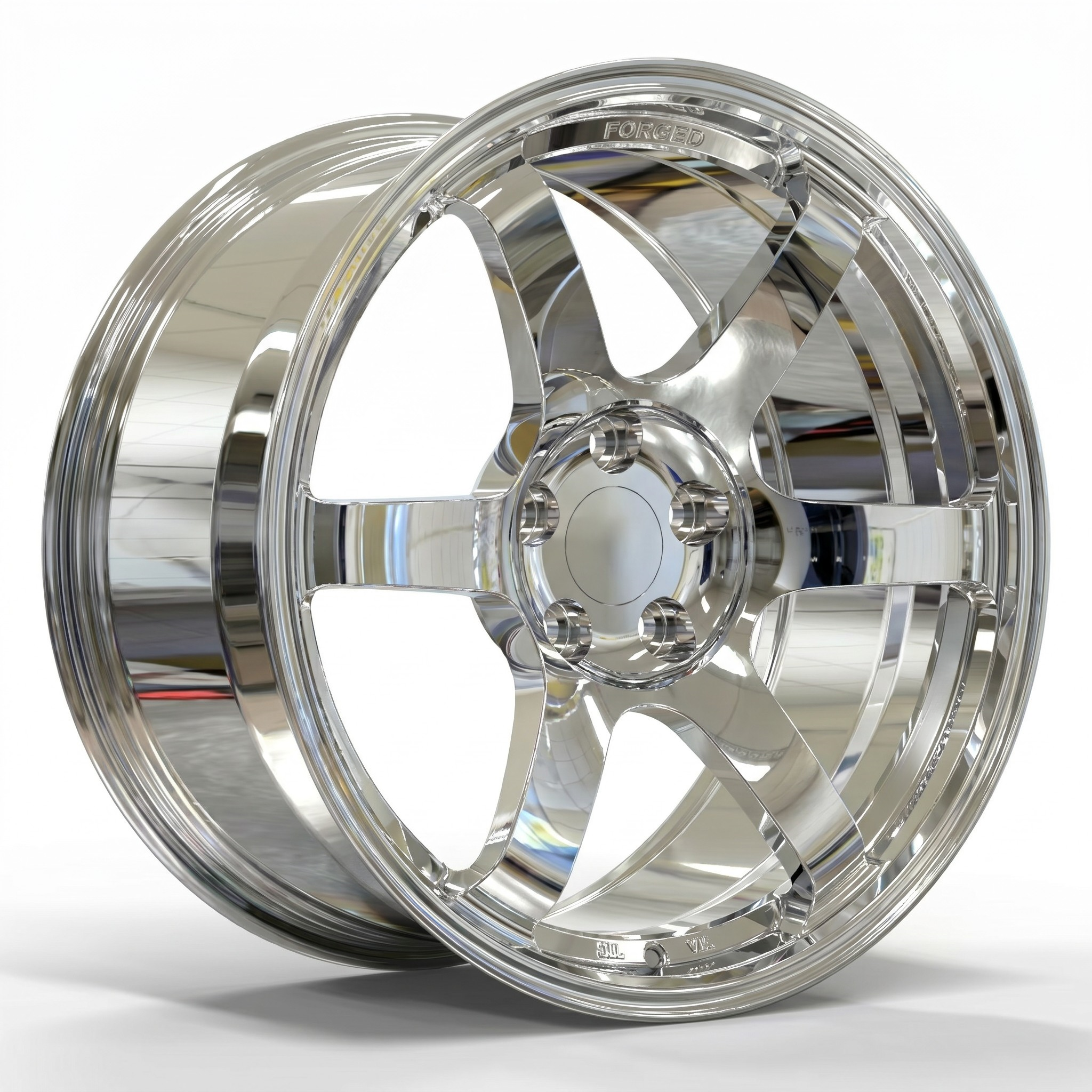
Dropping hard-earned cash on a fresh set of car wheels is usually one of the very first modifications automotive enthusiasts dive into when building a dream machine. It completely shifts how a vehicle sits, stance-wise, and dramatically alters how it handles on the asphalt. Yet, staring directly at the steep price gap between standard factory options and high-end metal instantly sparks that classic garage debate: are forged wheels really worth emptying your wallet? When custom setups cost two, three, or sometimes even four times more than standard cast alternatives, drivers naturally wonder if that heavy price tag actually delivers real-world performance gains, or if it is just an expensive aesthetic flex. Moving past basic visual impressions means looking hard at the actual metallurgy, performance physics, manufacturing techniques, and long-term economic value driving modern wheel engineering in today's competitive global market.
The Metallurgy and Manufacturing Science Behind the Price Tag
To fully understand why forged wheels command top-tier pricing, you have to look past the surface gloss and examine raw manufacturing science. Traditional cast wheels are produced by pouring molten liquid aluminum into a mold via gravity or low-pressure casting methods. While cost-effective, this traditional process can occasionally trap tiny, microscopic air pockets, impurities, and uneven grain structures hiding deep inside the metal matrix. Premium forged options, by contrast, begin their journey as solid, ultra-dense chunks of high-grade aerospace aluminum. Massive industrial heavy-duty forging presses slam down with extreme tonnage—often reaching up to 12,000 tons of relentless force—forcing the metal's internal grain structure to align and compress tightly under immense pressure. This industrial muscle eliminates internal voids entirely, creating a unified, homogeneous metal matrix packing incredible tensile strength, superior impact resistance, and heavy-duty structural toughness that traditional casting simply cannot match.
Unsprung Weight and Real Driving Dynamics
That dense, structural muscle allows modern wheel engineers and builders to shave off serious, unnecessary bulk from the barrel and spokes without giving up a single ounce of structural safety. In vehicle dynamics, every single pound dropped from the unsprung weight—the total mass sitting directly below your vehicle's suspension springs, including wheels, tires, and brake components—multiplies your handling agility exponentially. When your suspension system no longer has to fight heavy rolling stock, shock absorbers and springs react way faster, keeping your tires glued tightly to the pavement over bumps and dips. Out on winding twisty backroads or intense track days, lightweight forged wheels translate directly into sharper steering snap, faster throttle response due to lower rotational inertia, and much shorter stopping distances. Heavy cast alternatives simply cannot compete with that kind of agile footwork and instant kinetic feedback.
Durability Through Hard Impacts and Track Days
When potholes loom large on daily commutes or high-speed track sessions heat up, toughness and resilience matter most. Standard cast wheels tend to be structurally brittle due to their internal crystalline structure; smack a deep highway crater at high speed, and they are prone to cracking right through or shattering completely into pieces. Forged aluminum acts completely differently thanks to its natural ductility and elongation properties. Instead of snapping under severe stress, a top-tier forged wheel flexes and absorbs the shock, bending slightly rather than suffering a sudden, catastrophic failure. That kind of high-level resilience keeps drivers safe during unexpected road hazards and handles the punishing lateral g-forces, hard cornering loads, and brutal thermal stress of serious motorsport use.
Smart Value and Long-Term Ownership Economics
Looking at the big financial picture means weighing upfront savings against long-term ownership costs over the lifespan of the vehicle. Budget-friendly cast wheels work fine for basic daily commuting, but they often require early replacement due to bending, hairline cracks, or chronic balancing headaches caused by soft spots in the metal. Premium forged wheels, by contrast, act as a smart long-term investment. Their unmatched fatigue resistance and custom-tailored offsets protect vehicle resale value while completely ditching the constant, frustrating cycle of wheel replacements and repairs. For car owners who truly care about safety, crisp handling, and long-term peace of mind, choosing forged gear just makes practical, financial sense over years of driving.
Engineering Excellence Powered by Forgex Speed
Ultimately, upgrading to forged wheels comes down to what drivers demand from their machines and their driving experiences. For those chasing uncompromising safety, long-lasting durability, and peak driving feedback, the investment pays off immediately from the first mile. Delivering this elite level of performance relies heavily on proven manufacturing power, advanced technology, and strict quality control standards. Backed by heavy-duty 12,000-ton forging presses, premium 6061-T6 aerospace aluminum, and full global safety certifications like DOT, JWL, and TÜV, Forgex Speed provides global enthusiasts and custom builders with world-class monoblock and multi-piece options. Backed by solid OEM and ODM supply chain strength and an unwavering dedication to high-performance engineering, Forgex Speed continues to bridge the gap between track-ready engineering and custom street style worldwide.