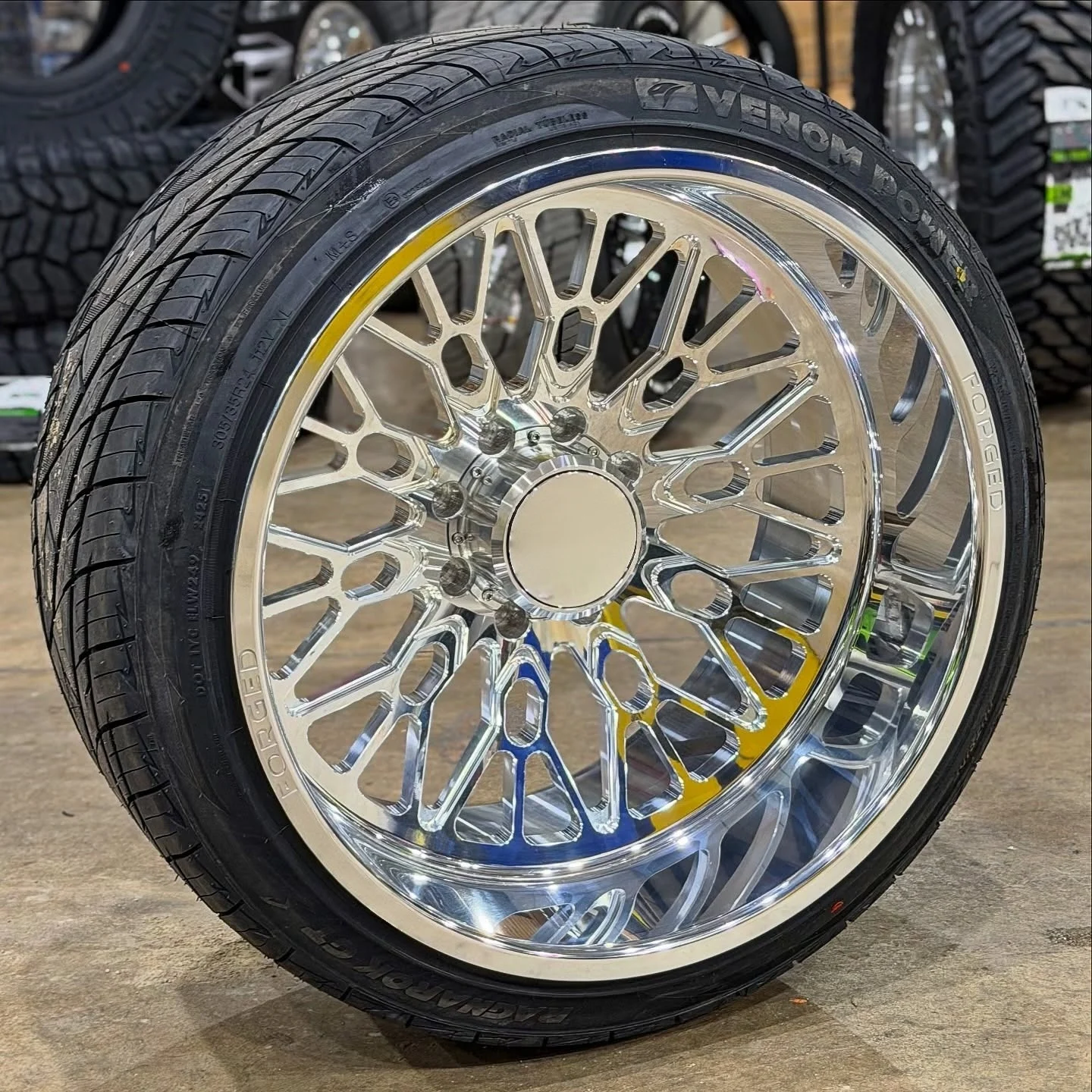
The Small Detail That Creates Big Headaches
When car enthusiasts invest in a custom set of forged wheels, every single line, finish, and angle is carefully evaluated to create an aggressive, flawless stance. However, an unexpected frustration often arises during the final installation phase: a center cap that refuses to seat properly, rattles loose on the highway, or binds up completely against the axle hub. While center caps might seem like minor finishing touches, dealing with wheel center cap fitment issues can quickly turn a dream build into an expensive headache. Understanding why these discrepancies happen and how to prevent them before placing an order is essential for anyone aiming for a professional, factory-clean look. Beyond just aesthetics, a poorly fitted cap can lead to moisture ingress, premature corrosion, and unnecessary customer service disputes for high-end custom vehicle builders across the globe.
Understanding Hub Tolerances and Machining Precision
To truly understand why center cap friction or looseness occurs, one must look closely at the engineering and machining tolerances behind high-end custom wheels. Premium forged wheels are carved from solid aluminum blocks using heavy-duty forging presses and multi-axis CNC machines, where precision is maintained down to tight fractional tolerances. The center bore and cap pocket require exact dimensions to match specific vehicle hub layouts. If a machining tolerance shifts by even a tiny fraction due to poor programming or substandard equipment, the cap will either pop out under continuous vibration or refuse to press in without damaging the delicate finish. Highlighting this level of manufacturing accuracy sets the foundation for a seamless, trouble-free fit that endures aggressive driving conditions without structural degradation.
The Root Causes of Loose or Binding Center Caps
Years of hands-on experience fitting custom performance wheels across various makes and models reveal certain recurring culprits. One major issue is thermal expansion; as heavy braking generates intense heat, the surrounding aluminum wheel hub expands and contracts, which can warp plastic or aluminum cap retention rings over time. Another common problem involves inferior spring retention clips losing their tension, causing caps to rattle loose on rough roads. Conversely, if a cap binds during installation, forcing it into place often shears the retaining O-rings or cracks the cap face. Recognizing these underlying mechanical causes helps builders diagnose problems instantly rather than blindly forcing components together, thereby protecting valuable finishes from irreversible mechanical damage.
Addressing Clearance Issues with Aftermarket Brake Upgrades
Another frequent complication arises when enthusiasts install massive aftermarket brake kits or heavy-duty performance calipers. These upgrades often require extended wheel studs, custom spacers, or altered mounting faces that shift the relationship between the wheel hub and the axle dust cap. When the axle dust cap sticks out just a few millimeters further than factory specifications, it creates an internal depth conflict, preventing a flush-mount center cap from seating correctly. According to automotive chassis engineers and custom wheel fitment guidelines, failing to account for axle protrusion before selecting cap styles will inevitably lead to clearance failures, requiring either custom spacer modifications or alternative low-profile cap designs to maintain a clean aesthetic profile.
Proactive Measurement Tips to Avoid Fitment Errors
Preventing center cap headaches always boils down to meticulous preparation and accurate pre-installation measurement. Before purchasing custom wheels or replacement caps, always verify the exact center bore diameter, cap pocket depth, and whether the design requires front-loading or rear-loading installation. Using digital calipers to measure the vehicle hub pilot and comparing those numbers directly with the wheel manufacturer technical drawings eliminates guesswork. Furthermore, checking the integrity of rubber O-rings and applying a tiny dab of anti-seize or dielectric grease can ease installation while preventing galvanic corrosion between dissimilar metals over years of exposure to rain, snow, and road salt.
Engineering Excellence and Total Support from Forgex Speed
Achieving absolute perfection in wheel fitment starts long before the final assembly stage—it begins with advanced engineering and uncompromising manufacturing standards. This is where industry leaders like Forgex Speed redefine what drivers and distributors expect from custom wheel solutions. Backed by state-of-the-art production plants, advanced CAD design software, and high-precision CNC machining lines, Forgex Speed ensures that every monoblock, two-piece, and three-piece wheel achieves flawless center bore tolerances and cap seating accuracy. Whether fulfilling specialized retail orders or managing large-scale global OEM programs, Forgex Speed provides dependable supply chain execution and rigorous quality control. By combining industrial manufacturing scale with meticulous custom craftsmanship, Forgex Speed delivers the ultimate reliability for builds that refuse to compromise on precision or style.
 EN