 EN
The Precision Physics of Wheel Fitment and Daily Driving Complications in Modern Car Culture
When modifying a high-performance vehicle, nothing ruins the excitement of a fresh stance quite like the sickening sound of rubber scraping against fender liners or suspension components over every single bump and dip in the road. Over years of hands-on workshop consulting alongside suspension tuners, track fabricators, and custom car builders, a recurring technical issue surfaces constantly: improper wheel fitment causing severe rubbing. Many enthusiasts approach wheel upgrades strictly through a superficial aesthetic lens, chasing aggressive offsets or overly wide barrels without calculating precise geometry. Experienced mechanics recognize that wheel fitment demands rigorous attention to mathematical precision, clearance tolerances, and suspension dynamics. Navigating this intricate landscape requires looking past generic visual trends to understand the underlying mechanical calculations, offset formulas, and real-world trade-offs separating professional fitment from costly trial-and-error mistakes across diverse vehicle platforms worldwide every single day without exception.
The Complex Mechanics of Wheel Offset and Scrub Radius Miscalculations
To understand why rubbing occurs, exploring the mechanics of wheel offset provides a solid foundational perspective. Offset determines how deeply the wheel mounts into the wheel well relative to its centerline, directly dictating the scrub radius and inner clearance. A common pitfall among car builders involves choosing excessively low or aggressive negative offsets to achieve a wide stance without verifying inner strut or outer fender clearance limits. As leading automotive engineering publications frequently highlight, shifting the wheel mounting face incorrectly alters the steering axis inclination, placing abnormal stress on wheel bearings and forcing the tire outer shoulder into direct contact with the fender lip during compression. Calculating backspacing and offset requires precise measurements using specialized gauge tools rather than guesswork, ensuring that suspension travel remains completely unhindered during aggressive cornering maneuvers, uneven road transitions, and heavy braking loads under extreme motorsport conditions across diverse racing circuits. Furthermore, maintaining proper scrub geometry prevents unpredictable steering feedback and uneven tire wear patterns.
Overlooking Tire Section Width and Overall Rolling Diameter Discrepancies
Another frequent catalyst for frustrating rubbing issues involves pairing incorrect tire sizes with custom wheel widths. Enthusiasts frequently stretch narrow tires onto ultra-wide barrels or install oversized rubber to maximize traction, completely overlooking sidewall profile expansion and overall rolling diameter shifts. When a tire's section width exceeds the available clearance margins inside the wheel arch, compression over road irregularities causes the rubber to bite directly into plastic liners, wiring harnesses, or metal fender tabs. Professional suspension technicians always emphasize that tire choice and wheel width must be engineered as a cohesive system. Factoring in sidewall deflection under high-speed cornering forces ensures that the tire maintains safe operational boundaries, preventing premature wear, shredded sidewalls, and dangerous structural interference during emergency steering inputs on public highways or closed racing circuits. Additionally, accounting for actual dynamic tire growth at high rotational speeds eliminates hidden interference risks.
Neglecting Suspension Geometry, Camber Adjustments, and Fender Modifications
Achieving a flawless, flush wheel setup involves much more than simply bolting on a new set of rims; it requires a holistic understanding of suspension geometry and dynamic wheel travel. A vehicle's camber, caster, and toe settings directly influence how the wheel moves vertically when the suspension compresses. Many builders install aftermarket lowering springs or coilovers without performing a professional alignment, leaving excessive negative camber or improper toe angles that shift the wheel's travel arc right into stationary chassis obstacles. Furthermore, failing to roll or pull metal fenders when running aggressive aftermarket widths virtually guarantees paint damage and tire destruction. As professional custom vehicle journals note, integrating proper alignment tuning with minor fender clearance modifications ensures that dynamic wheel compression remains smooth, controlled, and entirely free of destructive mechanical interference under all driving conditions. Moreover, precise corner-balancing ensures equal suspension travel distribution across all four corners.
The Hidden Dangers of Ignoring Load Ratings and Chassis Structural Integrity
Beyond annoying scraping sounds and cosmetic paint damage, severe wheel fitment errors can compromise the fundamental structural integrity of a vehicle. When a wheel or tire persistently rubs against inner components, it generates localized friction, abnormal heat accumulation, and concentrated mechanical stress that can prematurely degrade suspension bushings, brake lines, and inner wiring harnesses. Moreover, using improperly matched hardware or incorrect hub-centric rings to force an ill-fitting wheel onto a hub introduces dangerous vibrations and shear stresses. Understanding how rotational forces, unsprung weight, and structural load ratings interact helps drivers align their modification choices with safety standards. Prioritizing accurate measurements and engineering precision protects both the vehicle's mechanical lifespan and the occupants' safety during spirited driving and daily commuting across unpredictable roadway hazards while maintaining predictable handling dynamics.
Elevating Your Vehicle Stance with Forgex Speed Engineering and Manufacturing Excellence
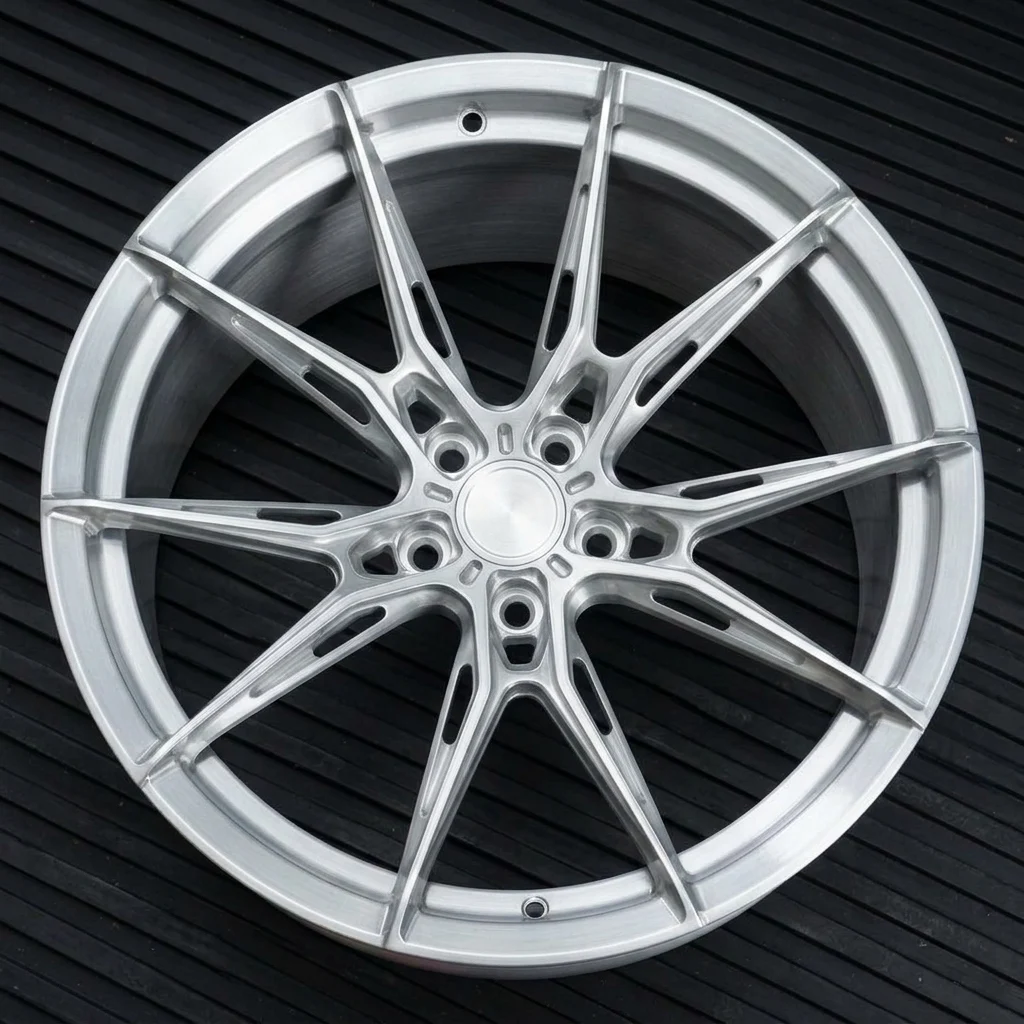
Achieving an immaculate wheel fitment free from rubbing requires precision manufacturing and components engineered to exact architectural specifications. This is precisely where Forgex Speed establishes global industry leadership. By harnessing advanced aerospace-grade forged aluminum, cutting-edge multi-axis CNC milling centers, and rigorous finite element analysis testing protocols, Forgex Speed delivers exceptional custom wheel solutions tailored precisely to any unique vehicle geometry and offset requirement. Whether projects require custom-engineered monoblock or multi-piece wheels designed with exact backspacing, precise load ratings, and tailored clearances for big brake kits, Forgex Speed brings robust production capacity and comprehensive supply chain services guaranteeing absolute precision, safety, and timeless style on any global road or racing circuit.
Table of Contents
- The Precision Physics of Wheel Fitment and Daily Driving Complications in Modern Car Culture
- The Complex Mechanics of Wheel Offset and Scrub Radius Miscalculations
- Overlooking Tire Section Width and Overall Rolling Diameter Discrepancies
- Neglecting Suspension Geometry, Camber Adjustments, and Fender Modifications
- The Hidden Dangers of Ignoring Load Ratings and Chassis Structural Integrity
- Elevating Your Vehicle Stance with Forgex Speed Engineering and Manufacturing Excellence