 EN
EN
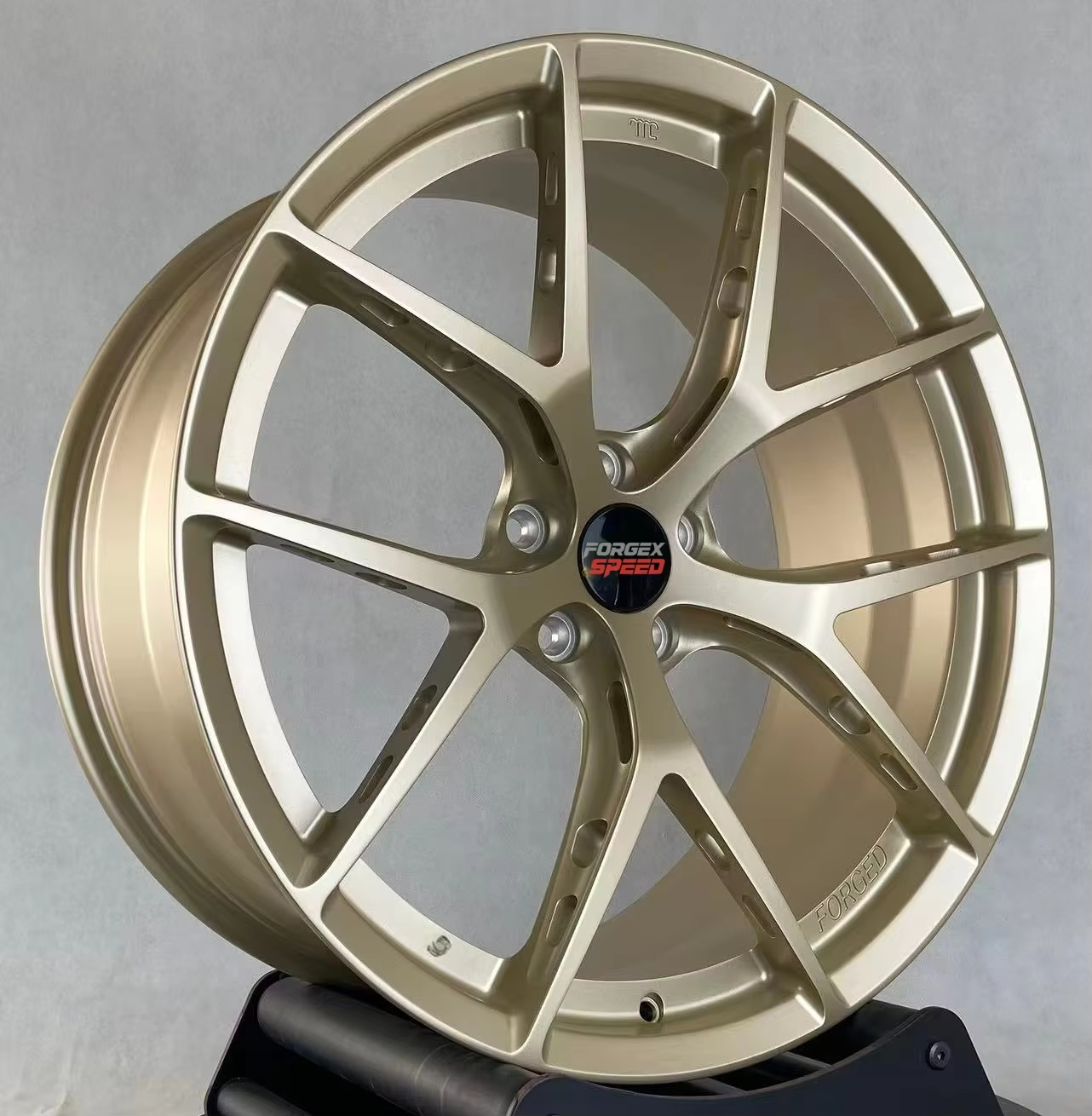
When looking to upgrade their vehicles, drivers need to face the decision between forged wheels and cast wheels. Both have their pros and cons, but understanding the key differences between these wheels, such as their strength, weight, and durability, will help drivers make the right decision for their wallets. Most people think forged wheels don't have a practical value and are just a premium upgrade. Forged wheels have advantages that provide long term savings with better performance. This article distinguishes between the two options and explains what makes forged wheels superior in performance and worth the investment.
Manufacturing Process: The Foundation of Quality
The major difference between forged wheels and cast wheels is the way they are made. Cast wheels are made by pouring molten aluminum into a mold and letting it cool to form a wheel. This process is simple and is done in large quantities, but the way the metal cools causes air pockets to form within the wheels and makes the performance of the wheel worse.
Forged wheels are made with aerospace-grade aluminum. Since wheels are made with a single block of metal, the internal voids caused by a casting process are eliminated. Manufacturing cost is high, but consistent quality is worth the price. Forged wheels are built to withstand pressure when the extreme force puts metal into a deformed state. This process generates a huge amount of forces making the wheels more tensile.
This impact and tensile strength will ensure the structural integrity of the wheels. With forged wheels, there is a lower chance that bending, cracking, and deformation will occur. This risk will be eliminated when using cast wheels with lower tensile strength.Forged wheels will give drivers strong wheels requiring less repairs or replacements. This superior strength justifies the higher price.
Weight: Less is More
There are plenty of factors to take into account when evaluating a vehicle's performance, and the weight of the wheels is one of the more important ones. The process of forging wheels allows for precise distribution of the metal, and the process leads to a complete retention of the necessary structural integrity. Because of this, wheels made of this material will be lighter compared to cast wheels made of the same size material. A lighter wheel also leads to lower unsprung weight, which will improve a vehicle's acceleration, breaking, and fuel efficiency. A lighter wheel also improves handling, which will make the vehicle more responsive and nimble.
In comparison to forged wheels, cast wheels are more weighted and less well made. Because of the less optimal manufacturing process, more metal is required to be cast onto the wheel. Because of this added weight, the vehicle's performance will suffer. The more weight added to the vehicle, the more strain there will be on the suspension components, and the more wear there will be on the vehicle. With the added benefit of not sacrificing the longevity of the vehicle, the less weight added to the forged wheels will improve the overall feel of the drive.
Durability: Long-term Value
How long something lasts, affects value in regards to the total cost of ownership, and when it comes to forged wheels, their value lasts the longest. The dense metal structure does better in terms of corrosion, wear, and fatigue compared to the cast wheels. They can handle the extreme temperatures of hot track days and the cold of winter roads without degrading. The long-lasting ability of forged wheels means their performance and looks stay top-notch for many years.
On the other hand, cast wheels tend to manage to wear and tear on the wheels and the regions of the cast wheels materials have high corrosion and rust. They can have their regions of cast materials corrode. From time to time it may fail, and cast wheels may have to be changed. To measure the long-term expenses, for the long time usability, forgwrd wheels have more economic value in their the long time frame.
Cost Effectiveness: Beyond the Upfront Price
Most consumers only focus on the initial cost of production of scott wheels. This can be shortsighted. The true cost, and its associated effects on the cost of ownership for the vehicle, can be much more in the long run when saved vehicle maintenance from added performance of the wheels makes the vehicle cheaper to run in regards to repairs. With forged wheels, the total improvements of the wheels allow for better savings in fuel consumption, suspension wear, repairs.
As an example, a set of forged wheels may be more expensive by 30%, but saving fuel by 5-10% and lasting twice as long as cast wheels means the savings really do add up. Vehicles with forged wheels also tend to have a higher resale value, as they are considered a better and more dependable option. For those that keep their vehicles for several years and value higher performance and safety, forged wheels are a cost premium that is a wise investment.
As for application scenarios, the wheels’ needs should be applicable to the user. Although forged wheels have many benefits, they should be matched to specific needs. For the majority of daily drivers that keep to smooth roads and do not push the vehicles to the max, cast wheels might be enough. However, casual drivers still get more value, reliability, and performance from forged wheels, especially those that drive on rough roads and inclement weather.
People who drive high-performance vehicles, drive on tracks, or drive heavy-duty vehicles, like trucks or SUVs, really need forged wheels for their vehicles. Because of their supreme strength and lightweight, they provide confidence to push the limits of their vehicles, and ensure safety and durability.
Conclusion
Between forged wheels and cast wheels, cast wheels are more affordable, but a lot of their features make them a significant detriment. They are made of cheap materials, which doesn’t make them last for long, and they are also a lot heavier than forged wheels. This makes the last a lot longer, and their costs less when looking at the bigger picture. Because forged wheels are designed and manufactured precisely, they also look great, and so their won’t really be any reason to replace them down the line.
Forged wheels are not a premium purchase, they are more of a necessity. Looking at the driving experience along with the safety and performance forged wheels provide, the value for the investment becomes clear. Consider the total costs of ownership, and shaped wheels provide evidence to show that great driving experience and safety go hand in hand, then cost a great deal.