 EN
EN
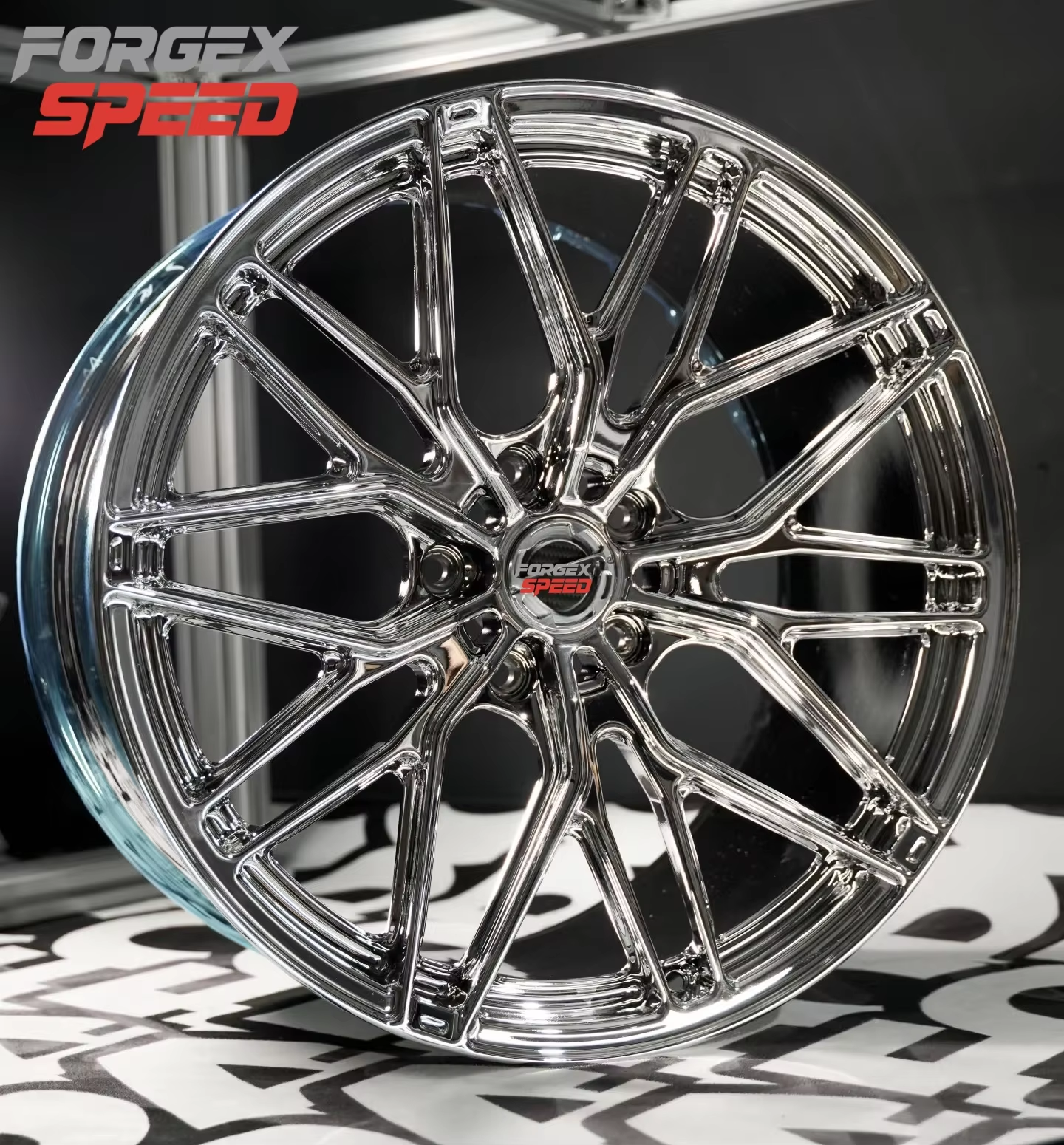
What FEA Validation Means For Racing Wheels
FEA means Finite Element Analysis, and contrary to popular belief, it is not just a buzzword in the racing wheels community. It is used to help transform a product’s theoretical design into a dependable item. It is not about complicated mathematics, but rather about the product’s safety, performance, and longevity. For weekend and professional racers alike, FEA validated wheels will impact the way they select and utilize racing wheels.
Understanding FEA in Racing Wheel Design
FEA, or Finite Element Analysis, helps Racing Wheel Designers break down and better understand the complexities of a wheel design. FEA works on the principles of assessing ‘real-world’ constraints and conditions on a hypothetical wheel design. Engineers program the software for parameters like the strength of wheel materials, the abrasive properties of the racing surface, and the potential effects of extreme temperature on the materials. The software then creates a map of critical points and areas of possible deformation. Traditional testing, in-person, can only evaluate one risk at a time, however FEA can assess thousands. It also helps contribute to the overall quality of wheel designs by helping prevent basic yet critical errors such as issues of disproportionate stress around the wheel spokes and the weakening of the hub connection. Knowing how advanced and critical the analyses are, it is not a surprise that industry professionals use ANSYS to achieve data with error rates lower than 3%.
Real Experience From Track to Production
A mid-sized racing parts supplier provides a key case. A few years ago, their newest wheel design kept failing track trial fatigue tests. The team used FEA and discovered the spoke angle created excessive stress during sharp turns. After adjusting the spoke angle based on FEA data, the next prototype passed 5,000 fatigue cycles without an issue. This is the difference FEA makes; it turns trial and error into precise improvement. Another example is the heavy-duty racing wheel used in off-road competitions. FEA predicted the original design would fail due to extreme load on rough terrain. Analysis-based modifications to the rim thickness resulted in a 40% improvement to load-bearing capacity.
Authoritative Support for FEA Validation
In terms of FEA validated components, the Society of Automotive Engineers states that failure risks can be decreased by up to 60%, compared to non-validated ones. Automotive engineers state that FEA is no longer an optional step, it is required for high performance racing parts. A recent industry report states that FEA is an industry standard in verifying structural integrity, especially in racing wheel design, due to more advanced materials like advanced alloys. All of these industry experts state that FEA is important, not for just meeting standards, but for documenting performance improvements that have been made.
Business Value Beyond Performance
There are also business advantages of FEA validation. Suppliers can decrease their R&D costs by 30 to 40% by lower the amount of physical prototypes. With less prototypes, the wheel design process is greatly accelerated, providing a the racing industry with a more streamlined process for developing wheels. FEA validated racing wheels are characterized by a premium, but FEA validated wheels are a more data backed performance to the customers. This FEA validation is exceptionally important for small and mid-size suppliers, as there is an increased prevalence of larger suppliers. Competitive advantage is more than just designing high performance racing wheels, it is also centered around low cost production and an innovative design process.
Questions users may have
Some users question whether or not FEA wheel validation is necessary for casual racing. Casual racers benefit too, as FEA validated wheels are definitely going to be safer and more durable. Validated wheels have a lower chance of bending or cracking and can sustain more impacts. That saves racers from frequent wheel replacements and saves racers money over a prolonged period. Users also have questions on material compatibility. FEA validation for wheels is not dependent on the the wheel materials, such as carbon fiber and alloys. Most reputable suppliers will offer transparency and provide FEA validated wheels, as well as stress distribution charts.
Final thoughts on FEA validated wheels
The FEA validated racing wheels are not just a combination of high quality materials and intricate engineering. FEA validated wheels are safety, performance, and value. Casual racers, and wheel suppliers are all able to benefit from FEA wheels. FEA wheels are a win for the entire casual racing wheel industry. FEA validated wheels have a lot to offer so casual racers, and wheel suppliers, are able to benefit FEA wheels are a win for the entire casual racing wheel industry. When looking at racing wheels, check to see if the wheels are FEA validated, and ask if the wheels are engineered impact safe wheels. This question indicates you are looking for FEA validated wheels and is very important.