
 EN
EN
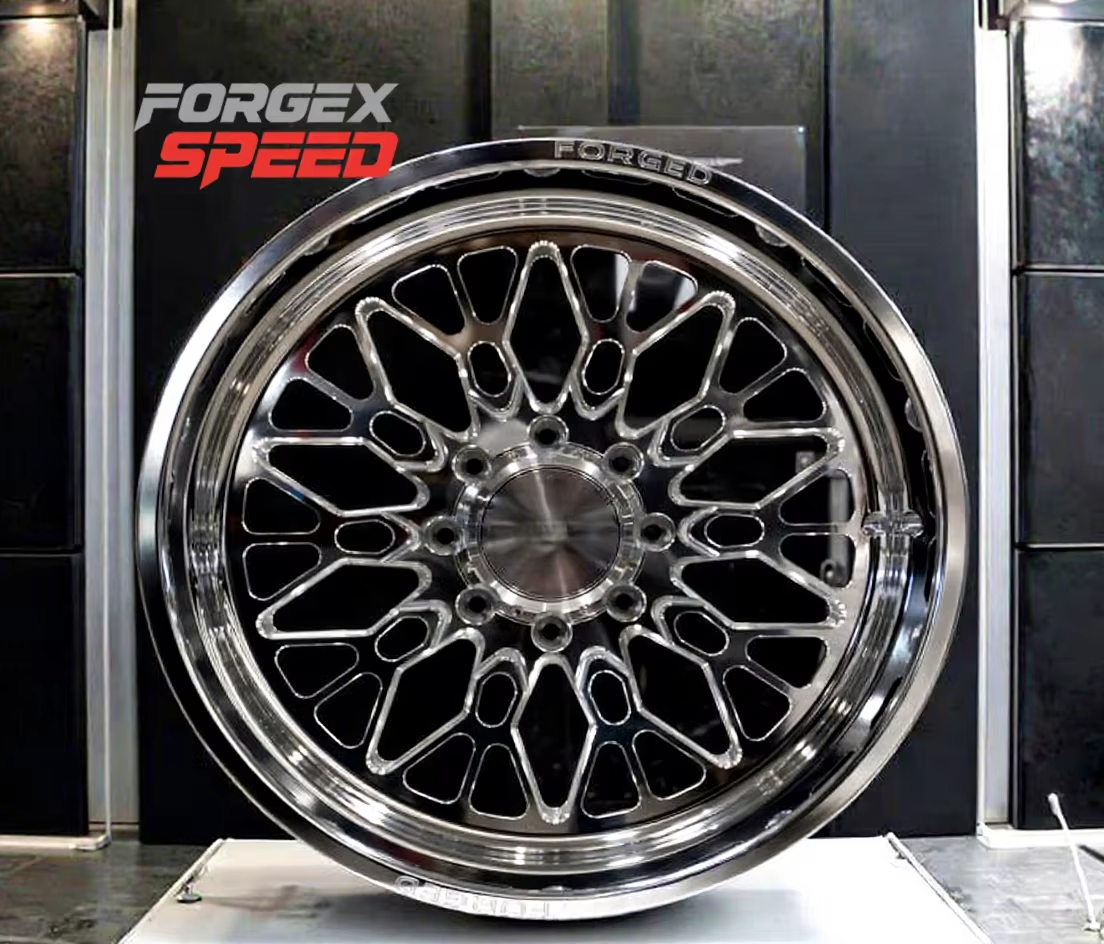
The Engineering Science Behind Lightweight Forged Wheels
The pursuit of high-performance driving begins with the foundation of the vehicle, and at the heart of this foundation lie the wheels. Unlike traditional cast wheels, which are produced by pouring molten metal into a mold, forged wheels are crafted through intense heat and extreme hydraulic pressure—often reaching thousands of tons. This manufacturing process forces the aluminum grain structure to compress, resulting in a significantly denser and more robust material. For enthusiasts and performance seekers, the difference is not just theoretical; the structural integrity provided by forged 6061-T6 aluminum alloys translates directly into heightened road safety. By minimizing internal voids and microscopic defects that are common in cast alternatives, high-quality forged wheels offer a superior stress-to-weight ratio that remains consistent under the most demanding driving conditions. The molecular alignment achieved during the forging process ensures that the metal can handle multi-directional forces without succumbing to fatigue, providing a stable platform for high-speed performance and cornering stability.
Understanding Global Safety Standards and Compliance
Safety is not merely a design claim; it is a measurable, certified standard. Globally recognized benchmarks, such as the JWL, VIA, and TUV certifications, serve as the definitive measures of a wheel’s reliability. These organizations subject wheels to rigorous testing regimes, including high-speed cornering fatigue tests, dynamic radial load tests, and severe impact simulations. When wheels carry these global certifications, it signifies that they have proven their ability to withstand forces that far exceed normal daily driving requirements. Drivers choosing certified forged products are investing in the certainty that their wheels will not fail structurally when encountering unavoidable road hazards like deep potholes or unexpected obstacles. This commitment to compliance is a cornerstone of professional wheel manufacturing, ensuring that the final product behaves predictably under stress. By adhering to these international safety protocols, manufacturers demonstrate a commitment to both the driver and the broader public, ensuring that every wheel that leaves the factory is capable of enduring the realities of the road.
Unsprung Mass and the Dynamics of Driver Control
One of the most profound safety advantages of choosing lightweight forged wheels is the reduction of unsprung mass. In automotive engineering, unsprung mass refers to the components of the vehicle that are not supported by the suspension system, including the wheels, tires, and brake assembly. By shedding unnecessary weight through precise engineering, the suspension system gains the ability to react faster to surface irregularities. This increased responsiveness ensures that the tire maintains optimal contact with the road, leading to shorter braking distances and more precise steering input. When a vehicle is more agile and composed, the driver retains greater control, which is the ultimate safeguard in high-speed or emergency maneuvers. Furthermore, the reduction in rotational inertia means the engine requires less energy to accelerate the wheels, resulting in improved fuel efficiency and a more responsive acceleration profile. This creates a harmonious link between the driver and the machine, allowing for a more intuitive and safer driving experience in varying road conditions.
The Resilience Advantage of Ductile Engineering
A critical safety feature often overlooked is the failure mode of the material. In extreme impact events, cast wheels are prone to brittle failure, meaning they can shatter suddenly, leading to a catastrophic loss of tire pressure and vehicle control. In contrast, the molecular density of forged wheels provides a ductile nature. If a forged wheel is pushed beyond its structural limit, it is designed to bend rather than disintegrate. This ability to deform while maintaining structural shape allows the driver to maintain control and safely bring the vehicle to a stop. This inherent resilience is a hallmark of premium forged manufacturing and provides an essential safety margin that modern drivers rely on during both track days and daily commutes. By prioritizing ductile materials and advanced heat treatment processes, manufacturers ensure that even in worst-case scenarios, the integrity of the wheel structure is maintained long enough to provide the driver with a chance to react and maneuver the vehicle to safety.
Forgex Speed: A Commitment to Precision and Quality
Selecting the right wheel is a partnership between the driver and the manufacturer. Forgex Speed excels in this sector by integrating state-of-the-art CNC machining technology with a robust, transparent supply chain that prioritizes quality control at every stage of the manufacturing process. From the initial raw material sourcing to the final precision finish, Forgex Speed ensures that each product meets stringent global performance standards. For those who demand a blend of aesthetics, lightweight performance, and uncompromising safety, Forgex Speed delivers customized manufacturing solutions that elevate vehicle capabilities while grounding the entire driving experience in reliability and professional engineering expertise. By utilizing advanced CAD/CAM software to optimize every design for maximum strength-to-weight efficiency, Forgex Speed guarantees a level of consistency and performance that exceeds market expectations. Whether for professional racing applications or enthusiast street builds, the dedication to excellence at Forgex Speed remains the standard for those who refuse to compromise on safety and precision.