 EN
EN
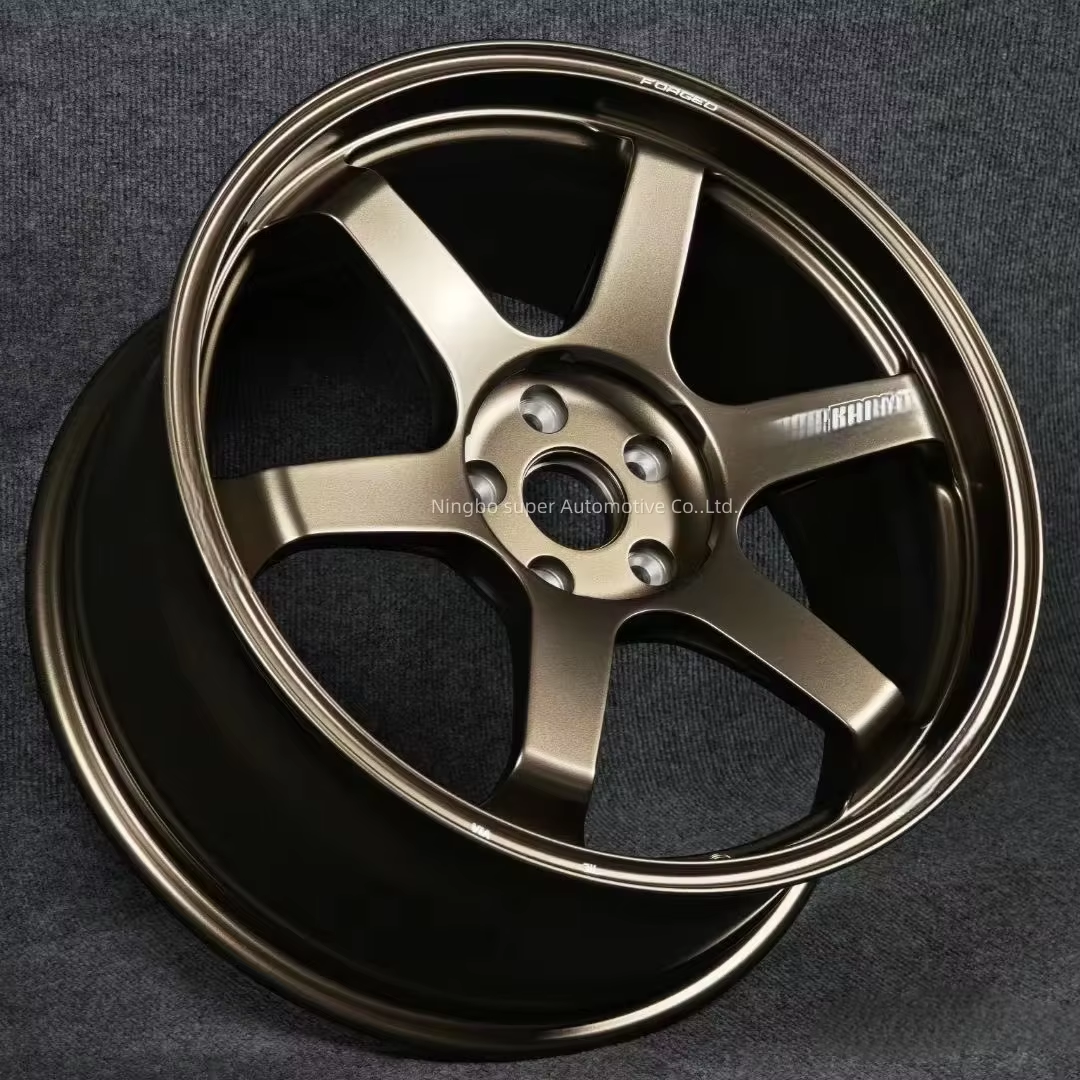
Many track enthusiasts spend time and money upgrading engines, tweaking suspensions, and overlook a critical component that directly influences performance: racing wheels. Racing wheels are an engineering solution that improves agility, durability, and safety. It’s a misconception that constructing a car is visually driven, from a hobbyist’s perspective to a seasoned pro’s. Racing wheels are essential to optimize any car’s performance.
Weight Reduction: The Foundation of Track Agility
Being lightweight starts with the design and manufacturing of the materials. 6061-T6 alloy is a popular choice among high-end racing wheels because it cuts weight without losing any of the sturdiness. One driver from Valencia really aimed to push the limits of every gram when constructing his track wheels, and his end result was a 17 inch track wheel that weighed 16.42 pounds while still being able to handle 1652 pounds of load. Reduced wheel weight leads to better acceleration, improved handling, great response to directional changes, faster brake response, and improved overall track performance. The ability to change wheels is critical to keeping peak performance throughout a series of multiple turns or a stretch where speed is the primary objective. One technology that focuses on this is forging, driven by heavy duty presses. It is able to better compact aluminum to provide lighter wheels and a stronger alternative to the traditional cast wheels.
Structural Integrity: Handling Track Abuse Without Compromise
Driving on the track does put extreme stress on wheels that has to do with constant acceleration, hard braking, and sharp turns that push components to the limits. This is why the structural integrity and lightweight materials are equally important. Racing wheels that are tested in the real world and use FEA validations are able to be on the track and be tested with real world abuse. The 1652 lb rating is more than just a number, it is a guarantee that the wheel is able to support the vehicle’s weight and the forces that come with aggressive driving. Racing wheels are engineered to endure stress without bending, cracking, or failing, unlike stock wheels that are designed for commuting. This means more confidence and less replacements when practicing laps or competing in a race.
Fitment Precision: The Balance of Aesthetics and Function
A lightweight and strong wheel becomes useless if it does not fit properly. Track ready wheels need precise fitment to avoid rubbing against tires or suspension parts and to optimize stance and handling.The solution was a staggered setup and brushed gold wheels which achieved his aesthetic goal and gave the fitment he desired – no rub, no compromise. This fitment was not just for looks, it also improved traction by keeping the tires in optimum contact with the track. Proper fitment will also allow tires to wear evenly and stay in contact with the track while also improving high speed stability. For track drivers, this balance of form and function is a game-changer when it comes to pushing hard without sacrificing reliability.
Global Certifications: Ensuring Safety and Legitimacy
Track safety leaves no room for shortcuts. Trustworthy racing wheels are built with the highest international standards and certifications that make them safe and road legal anywhere in the world. Certifications such as DOT, JWL/VIA, TUV, and ECE are more than just random symbols or logos. These certifications are automotive authorities' way of saying that they have passed their tests for strength, durability, and performance. These certifications are part of the best industry practice, and the world’s automotive authorities have recognized them. These certifications help drivers trust that the wheels they are driving are safe. These standards are a must for professional drivers in sanctioned events, and even casual enthusiasts are better off with these wheels, as they help mitigate the chances of a catastrophic track failure.
Specialized Forged Wheels for Personal Track Requirements
Everyone has a specific preference for tracks and cars, and racing wheels should accommodate those needs. With a variety of forged wheel series, different setups can be accommodated. Euro fitment options emphasize high-speed stability, while JDM options focus on agility, enhanced fitment, and to the rim. For tracks where cars are AWD or are torque-heavy, there are wheels that handle greater stress. Off-road tracks are for enthusiasts that have wheels adaptable to rough terrain and high load rated tested on the trail. With this specialization, drivers can pick wheels specific to their car’s driving capabilities and style. From customizing sports cars for narrow circuits to outfitting trucks for off-road tracks, there racing wheels built for a purpose.
Real-World Impact: Quality Wheels Elevate Track Results
Quality racing wheels start paying off on the track immediately. The lighter the wheels, the better the reduction in unsprung weight, which enables better suspension response. Insufficient wheel construction causes performance to degrade, and lose spacers week after week. Wheels that are cheaper, lose performance and track after track to bucking and braking. Quick cornering also makes track times faster, which in turn gives better control and an improved overall experience. The track performance. Affordable racing wheels are far from an investment in performance. They're an investment in safety and reliability. They're an investment in turning good laps into great ones.
Conclusion
Racing wheels can more than just help with the look of your vehicle. Racing wheels can help with performance, safety, and durability. Optimal performance is what lightweight aerospace-grade material, global certifications, and rigorous testing can give. Tailored wheels can help transform a vehicle's handling, and specialized series can cater to all different types of drivers and tracks. Racing wheels can elevate your track experience whether you are a an amateur or a pro. Racing wheels are an essential part of unlocking your vehicle's full potential on the track.
Table of Contents
- Weight Reduction: The Foundation of Track Agility
- Structural Integrity: Handling Track Abuse Without Compromise
- Fitment Precision: The Balance of Aesthetics and Function
- Global Certifications: Ensuring Safety and Legitimacy
- Specialized Forged Wheels for Personal Track Requirements
- Real-World Impact: Quality Wheels Elevate Track Results
- Conclusion