 EN
EN
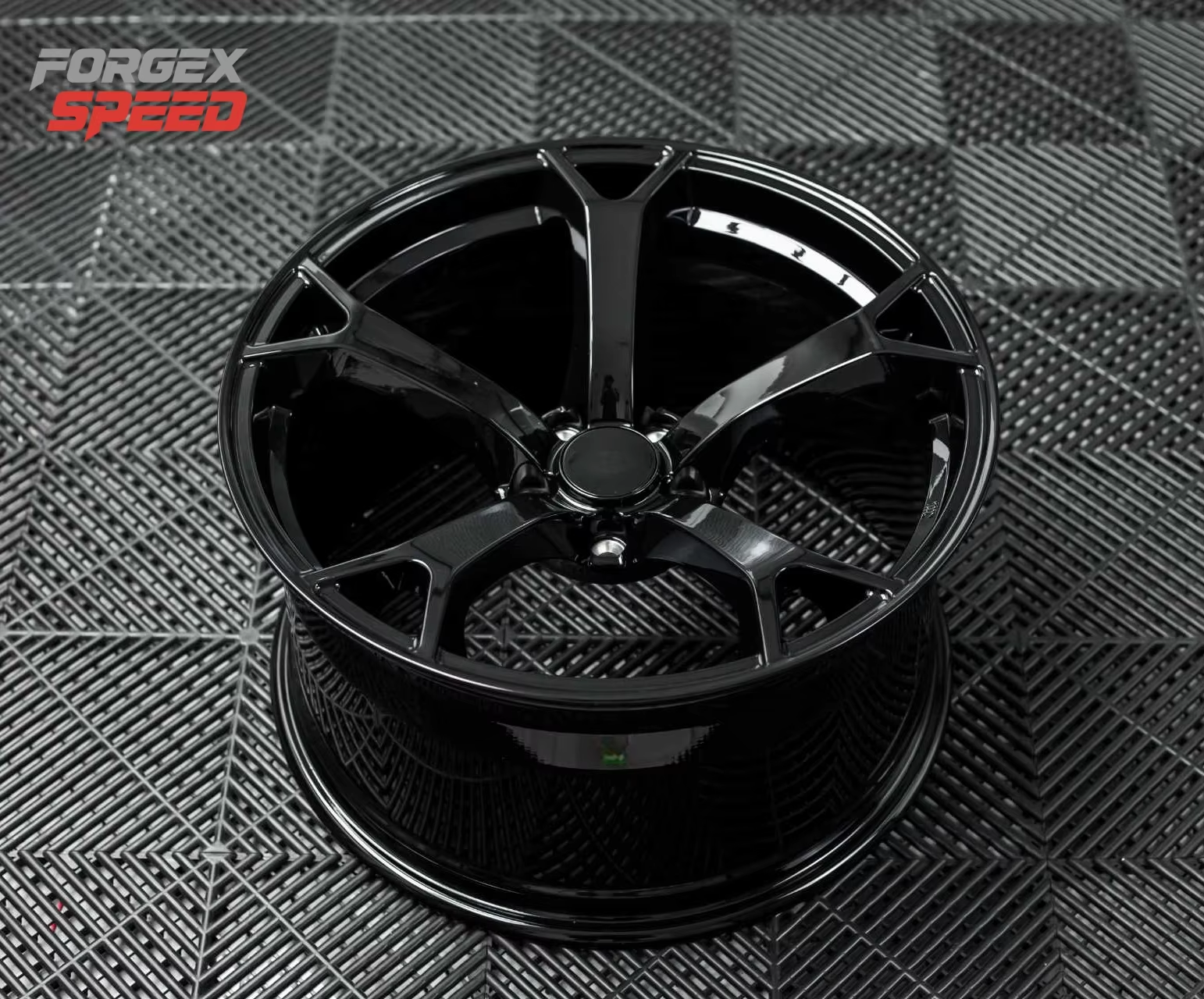
Wheel Fitment: The Starting Point of Performance and Safety
Wheel fitment is more than making your car look aggressive, it is crucial to how your car handles, safety, and overall performance. Bad fitment can cause issues like rubbing of the tires against the car’s body, tires wearing unevenly, and even the structural integrity of the car being compromised. On the opposite end of the spectrum, good fitment can help to maximize the performance of your car’s suspension and powertrain. Size, offset, and clearance all work together to help a wheel look good and to help the perform good on the street, track, and trail. Many real world builds prove that getting fitment right is a combination of real world driving needs and engineering specs, whether it’s a track focused race car, or a daily driven sports car.
Selecting Diameter and Width
Size is the first and very important step in the wheel assembly process. The diameter of the wheel directly affects the quality of the ride and the handling of the car. Larger diameters give the car better stability at higher speeds, better handling overall, and better looks. Smaller diameters will also give the suspension lighter unsprung weight. Unsprung weight is a massive factor in the system, a wheel that loses weight has a much bigger impact on the overall weight of the car. For every kg loss in unsprung weight, it is like having an additional 10 kg loss in the mass of the car. That will gain the car better acceleration and braking. For example, a forged wheel that is 17x8 in diameter and weighs only 16.42 lbs was constructed for a track addict in Valencia. He wanted an extremely lightweight wheel, but also wanted a 1652 lbs load rating, which is ideal for track abuse, as every gram really does count in that regard. The width of the wheel, which is measured in J values, should match the width of the tire. If they do not match, it will produce very little tire contact with the surface of the road, which will also offer very little grip.
Understanding ET Values and How They Effect Wheel Placement
ET, or offset values, are measured in millimeters, and impact how deep or how far outside the wheel sits in the wheel well. An offset value of positive means the wheel sits further in, and for a negative offset, it sits further out. Zero offset means the mounting surface is aligned with the centerline of the wheel. When selecting the right offset wheel values, it is important to take into consideration the wheel gap, suspension geometry, and bearing load. If the offset value is too negative the wheel can rub against the brake calipers or the fender, and if the offset value is correct it can provide you with that flush and aggressive look. For track builds, we offset the wheels to maximize the contact patch of the tire and the suspension. This was validated through FEA testing to withstand the extreme conditions of a track.
What is Clearance?
Clearance is essentially the last part of the fitment puzzle to be put into place and is the space between the wheel tire assembly and adjacent components fenders, brake calipers, suspension arms, and frame. Even the best wheel, in terms of size and offset, will not be able to clear if clearancing is insufficient, and will lead to rubbing, noise, and damage. Clearances need to be checked in all driving conditions, especially hard cornering, braking, and suspension compression to guarantee clearance is achieved. Forged wheels have a clear advantage here, as the precision of 12000 ton press and CNC Forging, which eliminates the irregularities, meet clearancing requirements so they don’t cause clearance issues. All wheels must meet a multitude of global safety standards, including DOT, JWL, VIA, TÜV, and ECE, all of which perform strict clearance guidelines when testing to ensure safety and operational performance specifications are met. For off-road builds, clearance requirements are even higher as wheels are load rated to operate in harsh conditions while maintaining an adequate clearance from all undercarriage parts.
Custom Fitment Tailoring to Driving Needs
Fitment is a more tailored process depending on purpose of the vehicle and driving environment. For Euro spec builds, the wheels have to be stable at high speeds and the fitment has to be precise with the high engineering of the European vehicle. JDM builds focus on lightweight and more agile wheels with clean fitment and the offset and size is adjusted for tighter turns and more responsive steering. For AWD and track builds, high engineered forged wheels are required for the high torque of the fitment purpose so that maximum power is transferred and wheel slip is minimal. Off road builds require heavy-duty, load-rated wheels that are tested for trail performance and so for more clearance to cross the rocks and the gaps in the terrain. Each of the build types is performed with custom fitment and in-house design teams are able to offer different sizes, finishes, and specifications based on the technical aspects of the vehicle and the aesthetic preferences of the owner.
Your Wheels and Legal International Safety Standards
When it comes to wheel fitment, the first golden rule is to ensure everything is measured, and legally safe to use in all countries. Quality materials must be used in the construction of the wheel, such as 6061 T6 aerospace aluminum which is extremely lightweight and very strong. Every decision made regarding wheel fitment must be justified by engineering proof, such as FEA testing on track wheels and international safety certifications for road wheels. Whether it’s a track car, daily driver, or an off road set up, it’s important to maintain a balance between performance, safety, and aesthetics. With the right custom fitment service, this is all very possible. Great fitment is what transforms an ordinary wheel to a part that is performance-enhancing and can be relied on by drivers to be safe, on any road or track.